
Empowering the Next Generation: How Integrity Clubs Are Shaping Kenya’s Future Leaders
In a time when ethical leadership is more critical than ever, a transformative initiative is quietly making waves across Kenyan institutions. Through the Integrity Champions Project under the TUNU (Tupigane na Ufisadi) program, young people are being equipped with the tools, knowledge, and courage to stand against corruption and lead with integrity.
Building a Foundation for Change
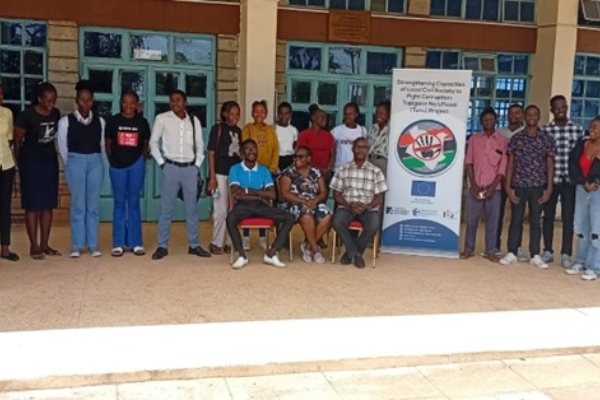
The journey began with a dynamic inception meeting held in Kakamega, bringing together students, university deans, and civil society organizations. This was more than just a kickoff it was a powerful moment of alignment.
Participants explored the vision of strengthening integrity clubs and fostering civic responsibility among students. The message was clear: young people are not just future leaders they are today’s change-makers.
Through open dialogue and collaboration, students began to see their role in promoting transparency, accountability, and ethical leadership within their institutions and beyond.
From Awareness to Action
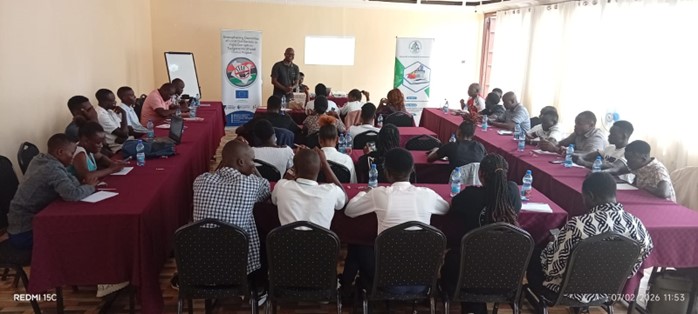
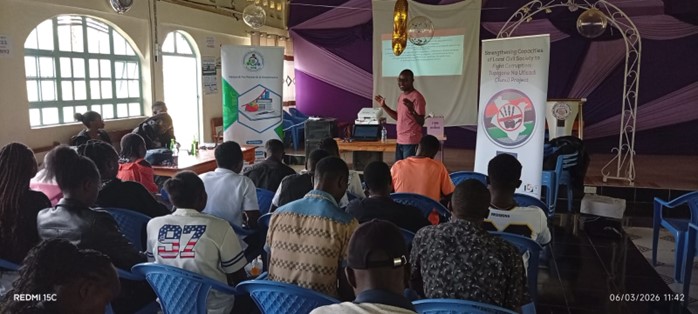
The project quickly moved from ideas to action through targeted training sessions at institutions such as Sigalagala and Masinde Muliro University of Science and Technology (MMUST).
These sessions focused on:
- Understanding leadership and integrity as outlined in Kenya’s Constitution (Chapter Six, Article 73)
- Addressing real-world challenges of corruption
- Cultivating values like honesty, accountability, and fairness
What made the training impactful wasn’t just the content it was the engagement. Students participated in interactive discussions, debates, and practical exercises designed to embed integrity into everyday life.
Students Taking the Lead
One of the most exciting outcomes has been the creativity and ownership shown by students. Rather than being passive participants, they have become active ambassadors of change.
They’ve initiated:
- Integrity-themed debates and quizzes
- Articles and newsletters on ethical leadership
- Awareness campaigns through social media and campus platforms
- Creative outreach like drama, art, and community service
These activities are not just educational they are transformational, shaping a culture where integrity becomes the norm.
Leveraging Technology for Transparency
A major milestone has been the adoption of the A4T digital platform. Students are now using technology to:
- Report stalled or suspicious projects
- Access educational resources
- Engage in discussions on governance and accountability
This shift from paper-based systems to digital reporting marks a significant step toward modern, transparent civic engagement.
Overcoming Challenges
Like any meaningful initiative, the journey has not been without hurdles:
- Tight academic schedules limited student availability
- Initial hesitation from participants
- Limited awareness of digital tools
- Competing institutional activities
Yet, these challenges became opportunities for growth driving innovation, adaptability, and stronger collaboration.
Real Impact, Real Stories
The results speak for themselves:
- Increased student participation and enthusiasm
- Peer-to-peer mentorship and collaborative learning
- Improved coordination and accountability through digital tools
- Creative advocacy through posters, media, and campaigns
Students are not just learning about integrity they are living it, sharing it, and multiplying its impact.
Looking Ahead
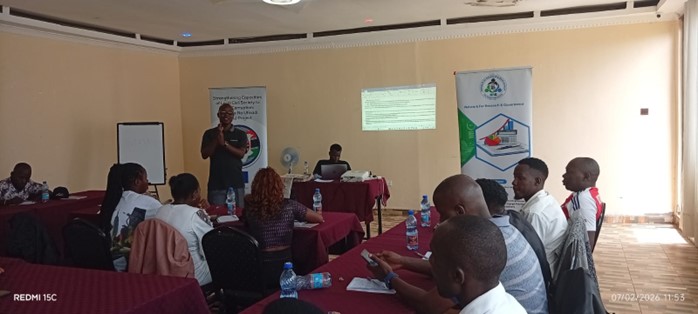
With more trainings planned and continued engagement through media and digital platforms, the Integrity Champions Project is poised to grow even stronger.
The vision is bold yet achievable:
A generation of young leaders who reject corruption, uphold ethical values, and actively shape a better society.


